
Day 6: Chauthe
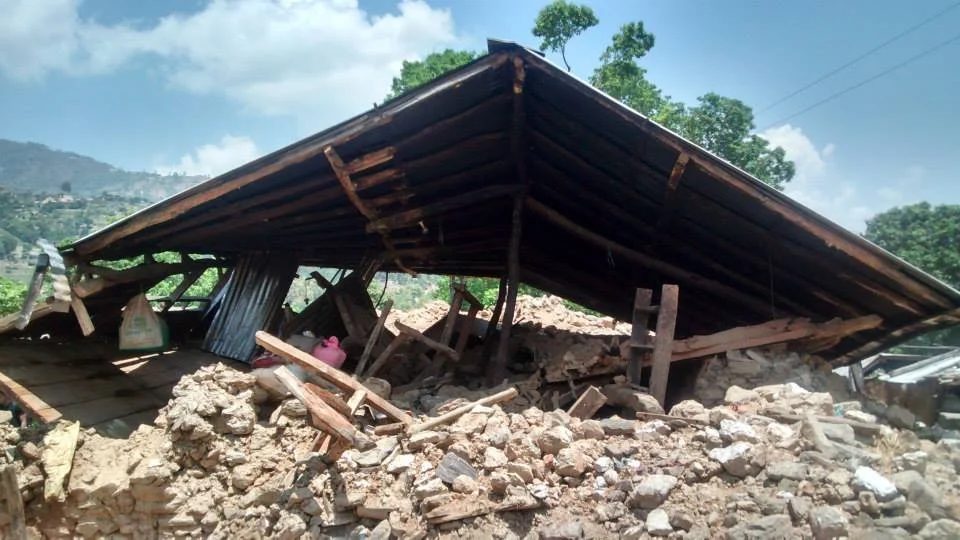
Members of Deerwalk visited Nuwakot for an earthquake impact assessment. Six of them travelled by motorbike because of the terrain, visiting Chauthe and Okharpauwa VDCs and spending considerable time meeting local people in Thuldanda, Bhandarthumka, Dhungana gaon and Siudeni. Villagers reported that it was very tough living under the open sky. Construction of temporary shelter was their first priority, and their food supplies would last only two to three weeks. Most had not received any relief package and urgently needed building materials and money for labour. They were less concerned about medicines than about having a roof over their heads.
As a token gesture, Rs 10,000 was given to one household that lost a grandmother, 55, and a granddaughter, 3; Rs 10,000 to a household that lost its son, 22; Rs 2,000 to a household with a mentally challenged person; and Rs 500 to an elderly man.
Paul, one of the Team RAM members, was taken to a health camp at Changu Narayan and attended a WHO meeting in the evening. He is camped in a tent inside the Deerwalk complex and needs to bring hard copies of documents to the Ministry of Health, since digital records of the relief team's access went missing.
Deerwalk also helped transport relief material to Bagbazar, and planned to help transport material to Nagarik Hospital the next morning, in exchange for a donation of clothes for the Clothes for Victims campaign led by Sudan Shrestha of Deerwalk.
The team spent Saturday planning for the coming week, contacting the government helpline and the CDO office, which recommended cleaning operations in Gongabu and near Balaju. The team planned to buy shovels, helmets, lime powder and gloves, and noted heavy demand for tents as casualty numbers rose. Deerwalk received 11 calls that day for help, primarily from Sindhupalchowk and Dhading.
Source: www.blakeleyfoundation.org
Reports and photographs are taken from the Nepal Earthquake Relief Fund gallery published by The Blakeley Foundation.